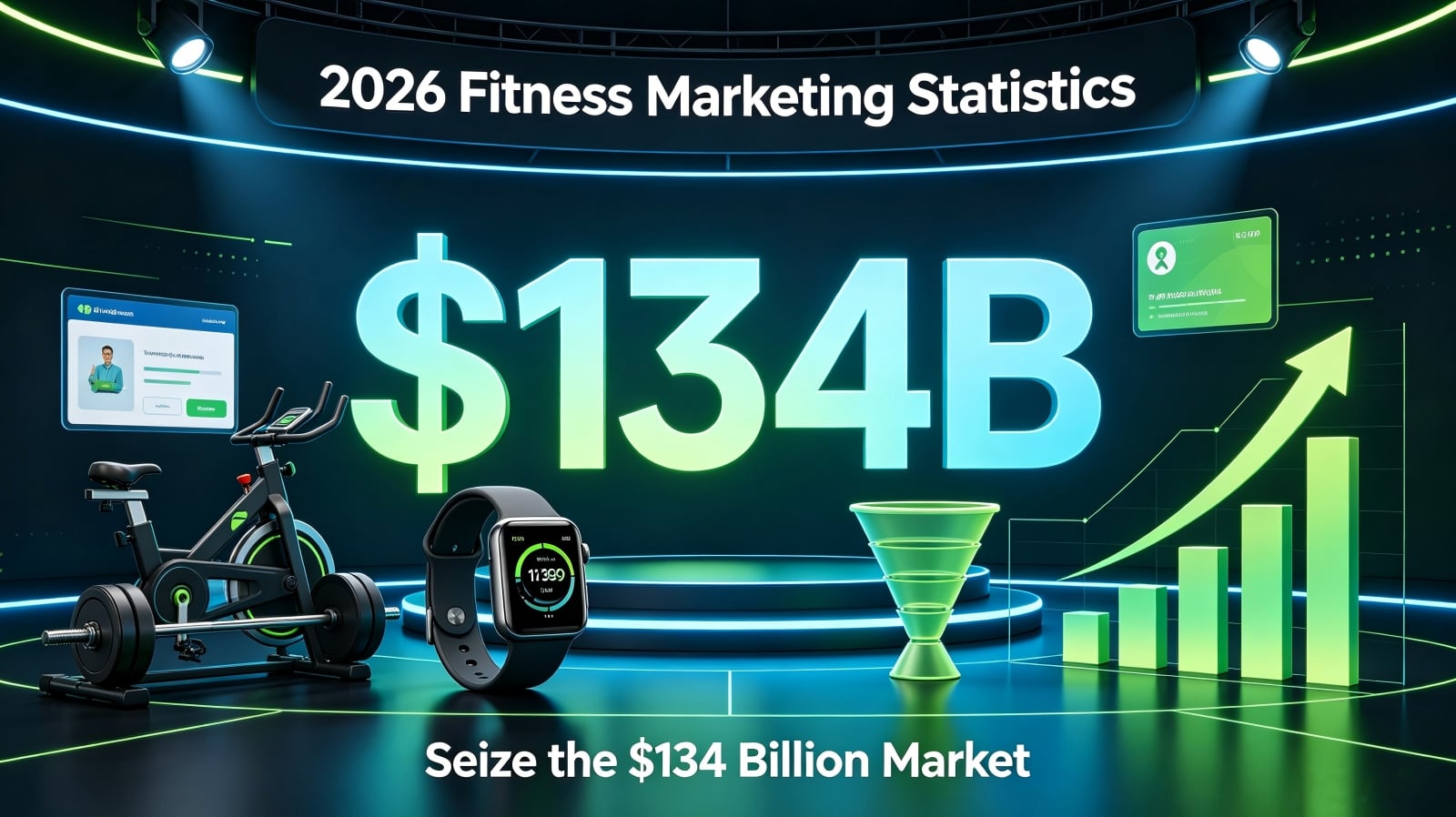
In 2026, the global fitness industry is undergoing a major transformation, driven by digital innovation, shifting consumer priorities, and the expanding definition of wellness. According to the latest fitness marketing statistics released by Amra & Elma, the global fitness market valuation is expected to reach $134 billion in 2026, with a compound annual growth rate (CAGR) of 8.7%, and is expected to reach $157.6 billion by 2029. The online fitness market is growing even faster, with a year-on-year growth of 41% in Southeast Asia alone, and digital-physical hybrid memberships have become the new standard for fitness brands. For independent fitness product sites, these data not only show broad market prospects but also point out clear operation directions.
One of the most notable trends in the 2026 fitness market is the rapid expansion of the online fitness market. The online fitness market size is expected to exceed $67.4 billion in 2026, with a 33.1% annual growth rate, and is expected to reach $59.23 billion by 2027. This trend is mainly driven by the increasing demand for convenient fitness among consumers, especially young generations such as Gen Z and millennials. For independent fitness product sites, this means that there is a huge potential market in the online channel. Sellers should focus on optimizing the mobile terminal experience of the site, using responsive design to ensure that the site can be perfectly displayed on different devices, and simplifying the checkout process to improve the conversion rate of mobile users, as more than 60% of online shoppers now use mobile devices to browse and purchase products.
Another important trend is the rise of wearable fitness technology. The global wearable fitness technology market size is expected to reach $71.3 billion in 2026, with more than 398 million units shipped. Biosensor clothing and smartwatches have become the core products of this market, and fitness brands that cross-integrate with wearable ecosystems can unlock precision ad targeting via real-time biometrics. For independent fitness product sites, sellers can seize this trend by introducing smart fitness products such as fitness trackers, smart dumbbells, and biosensor clothing, and optimizing the product description and content marketing to highlight the advantages of these products in health monitoring and fitness assistance. In addition, sellers can cooperate with wearable technology brands to launch bundled sales activities, such as selling fitness trackers with fitness equipment, to improve the average order value.
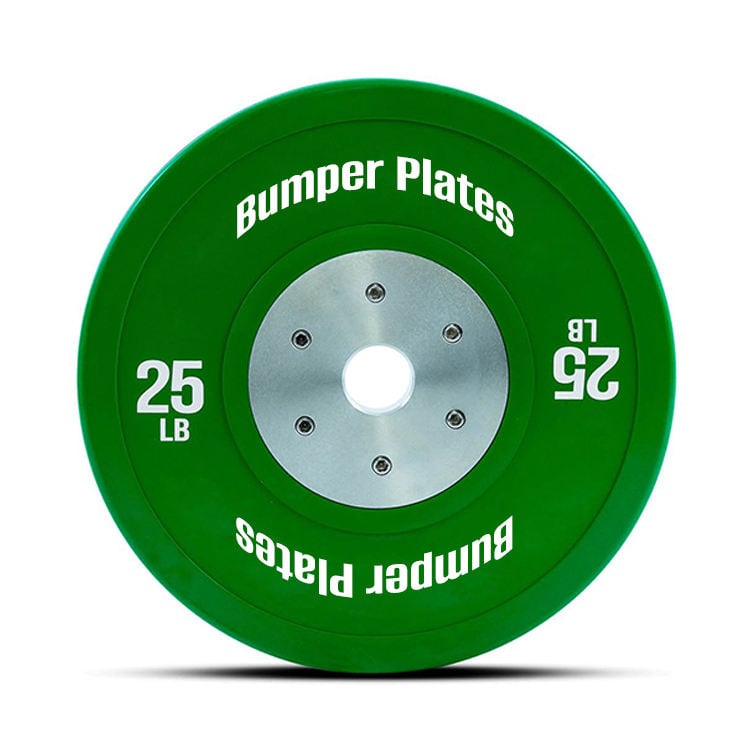
Strength training has also become a hot trend in the 2026 fitness market. According to statistics, 58% of adults aged 18-34 are training for strength, and global strength equipment sales hit $14.6 billion. Gen Z social platforms have made strength the dominant fitness identity, overtaking weight loss as the #1 marketing narrative. For independent fitness product sites, sellers should adjust their product positioning and marketing strategies accordingly, increasing the proportion of strength training equipment such as dumbbells, resistance bands, and weight benches, and creating content related to strength training, such as strength training plans, product usage guides, and success stories, to attract target consumers.
In terms of traffic acquisition, the 2026 fitness marketing statistics show that social media and short-form video have become the core channels for attracting fitness consumers. Sellers can build official accounts on social media platforms popular among fitness enthusiasts such as Instagram, Facebook, TikTok, and YouTube, publish short videos of product usage, fitness challenges, and fitness tips, and interact with users to guide them to visit the independent site. For example, on TikTok, sellers can post short videos of fitness challenges using their products, which can quickly attract attention and drive traffic to the site. In addition, sellers can use paid advertising on search engines (Google Ads) and social media platforms (Facebook Ads, TikTok Ads), targeting specific groups of people such as fitness enthusiasts, people who pay attention to health, and people who have purchased fitness products before to improve the accuracy of traffic.
Hybrid fitness models are also becoming the default choice for consumers. According to statistics, 63% of gyms offer hybrid access, and hybrid members spend 27% more annually than single-channel members. This means that consumers not only need fitness products but also need supporting fitness services such as online training courses and fitness guidance. For independent fitness product sites, sellers can add value-added services such as online fitness courses, personalized fitness plans, and coach consultation to increase user stickiness and extend the time users stay on the site. For example, sellers can provide free fitness guides when users purchase fitness equipment, or launch paid online training courses to generate additional revenue.
In conclusion, the 2026 fitness marketing statistics provide important insights for independent fitness product site sellers. By grasping the trends of online fitness, wearable technology, and strength training, optimizing the site experience, strengthening social media marketing, and adding value-added services, independent site sellers can effectively seize the opportunities brought by the $134 billion fitness market. It is recommended that sellers regularly pay attention to industry data, adjust their operation strategies in a timely manner, and focus on product quality and user experience to achieve sustainable profitability in the competitive market.
 Hot News
Suzhou Everise Fitness Co., Ltd. provides premium fitness equipment for global markets. Our OEM/ODM customization, strict QC, and 13-year export expertise deliver high-quality strength, cardio & Pilates gear. Trusted by clients across 50+ countries. Request a quote today!
Room 6004, Fashion Four Seasons Commercial Plaza, 1060 Jiayuan Road, Yuanhe Street, Xiangcheng District, Suzhou City
Copyright © 2026 Suzhou Everise Fitness Co., Ltd.All rights reserved. Privacy Policy
 EN
EN